
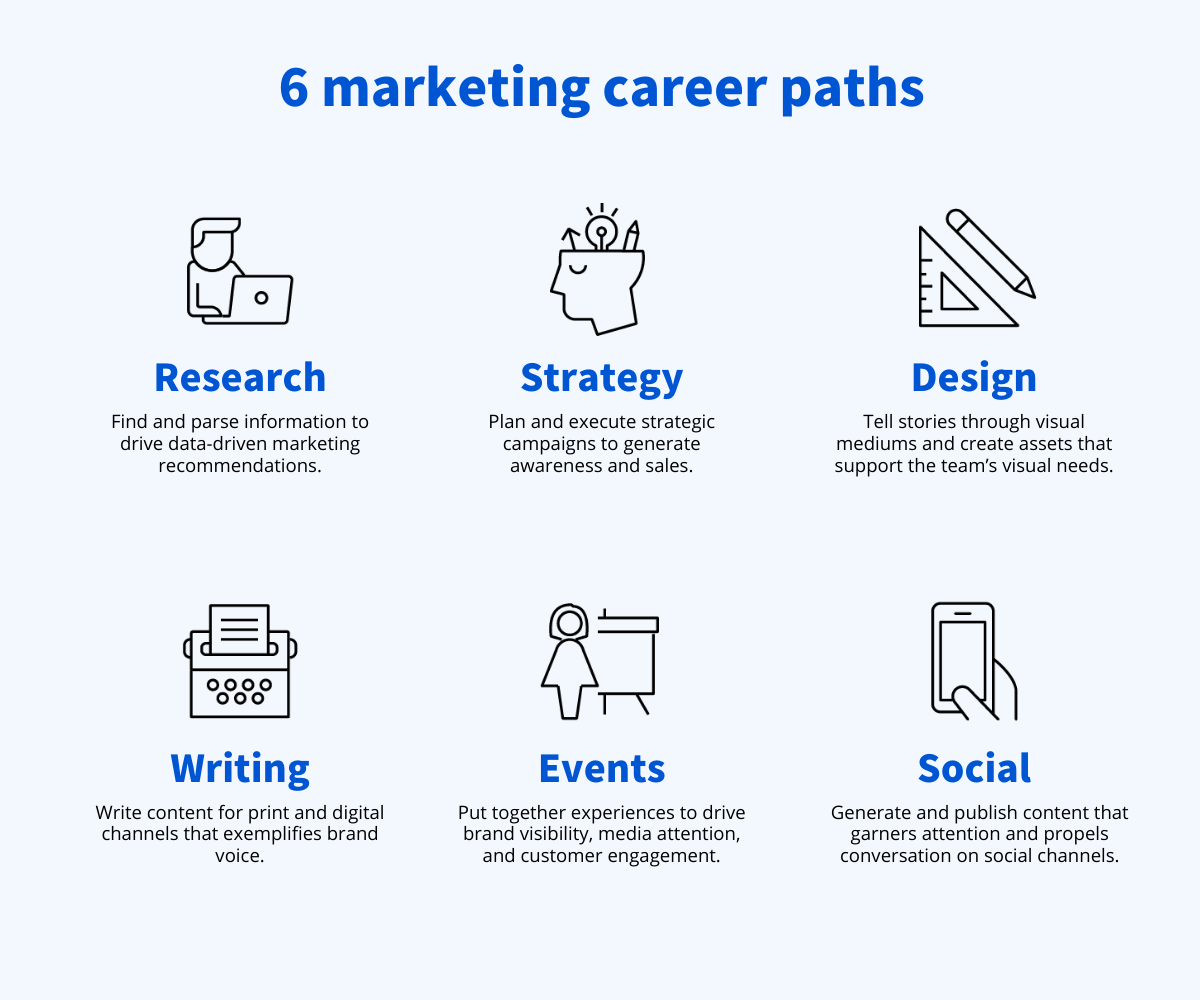

In today’s dynamic marketing landscape, the most sought-after professionals are those who can seamlessly blend analytical thinking with creative flair. These hybrid roles demand a unique skill set, combining data-driven decision-making with innovative storytelling and design. From crafting compelling campaigns to optimizing performance metrics, marketing jobs that merge these two worlds offer exciting opportunities for individuals who thrive on both logic and imagination. Whether it’s interpreting consumer behavior or designing visually stunning content, these roles bridge the gap between numbers and narratives. This article explores some of the most intriguing marketing careers that require a balance of analytical precision and creative ingenuity, shaping the future of the industry.
What Are Some Marketing Jobs That Combine the Analytical with the Creative?
Marketing is a dynamic field that thrives on both analytical thinking and creative innovation. Many roles in this industry require professionals to balance data-driven decision-making with imaginative problem-solving. Below, we explore some of the most prominent marketing jobs that blend these two essential skill sets.
See Also What Are High Paying Marketing/Advertising Jobs?
1. Digital Marketing Manager
A Digital Marketing Manager oversees online campaigns, ensuring they are both strategically sound and visually appealing. This role involves analyzing consumer behavior, tracking campaign performance, and using insights to craft engaging content. Creativity is essential for designing ads, while analytical skills are crucial for optimizing ROI and conversion rates.
| Key Responsibilities | Skills Required |
|---|---|
| Analyzing campaign metrics | Data analysis, SEO, SEM |
| Creating compelling content | Copywriting, graphic design |
2. Content Strategist
A Content Strategist bridges the gap between data analysis and creative storytelling. They use analytics tools to identify what content resonates with audiences and then develop strategies to produce engaging material. This role requires a deep understanding of SEO, user experience, and brand voice.
See Also What's Your Marketing Job Title and What Do You Do?
| Key Responsibilities | Skills Required |
|---|---|
| Audience research | SEO, data interpretation |
| Content planning | Creative writing, storytelling |
A Social Media Manager combines analytical skills to track engagement metrics with creative flair to design posts that capture attention. They analyze social media trends, audience demographics, and performance data to create content that aligns with the brand’s goals.
| Key Responsibilities | Skills Required |
|---|---|
| Monitoring social media metrics | Analytics tools, trend analysis |
| Creating engaging posts | Graphic design, copywriting |
4. Marketing Data Analyst
A Marketing Data Analyst focuses on interpreting data to inform creative strategies. They analyze customer behavior, sales trends, and campaign performance to provide actionable insights. While their primary role is analytical, they often collaborate with creative teams to ensure data-driven decisions enhance brand messaging.
See Also Descriptions of different marketing jobs/career paths?
| Key Responsibilities | Skills Required |
|---|---|
| Data collection and analysis | Statistical analysis, data visualization |
| Collaborating with creative teams | Communication, strategic thinking |
5. Brand Manager
A Brand Manager is responsible for maintaining and enhancing a brand’s image. This role requires analytical skills to assess market trends and creative skills to develop campaigns that resonate with the target audience. They balance data-driven insights with innovative branding strategies to ensure the brand remains competitive.
| Key Responsibilities | Skills Required |
|---|---|
| Market research | Data analysis, trend forecasting |
| Campaign development | Creative thinking, branding |
Is marketing creative or analytical?
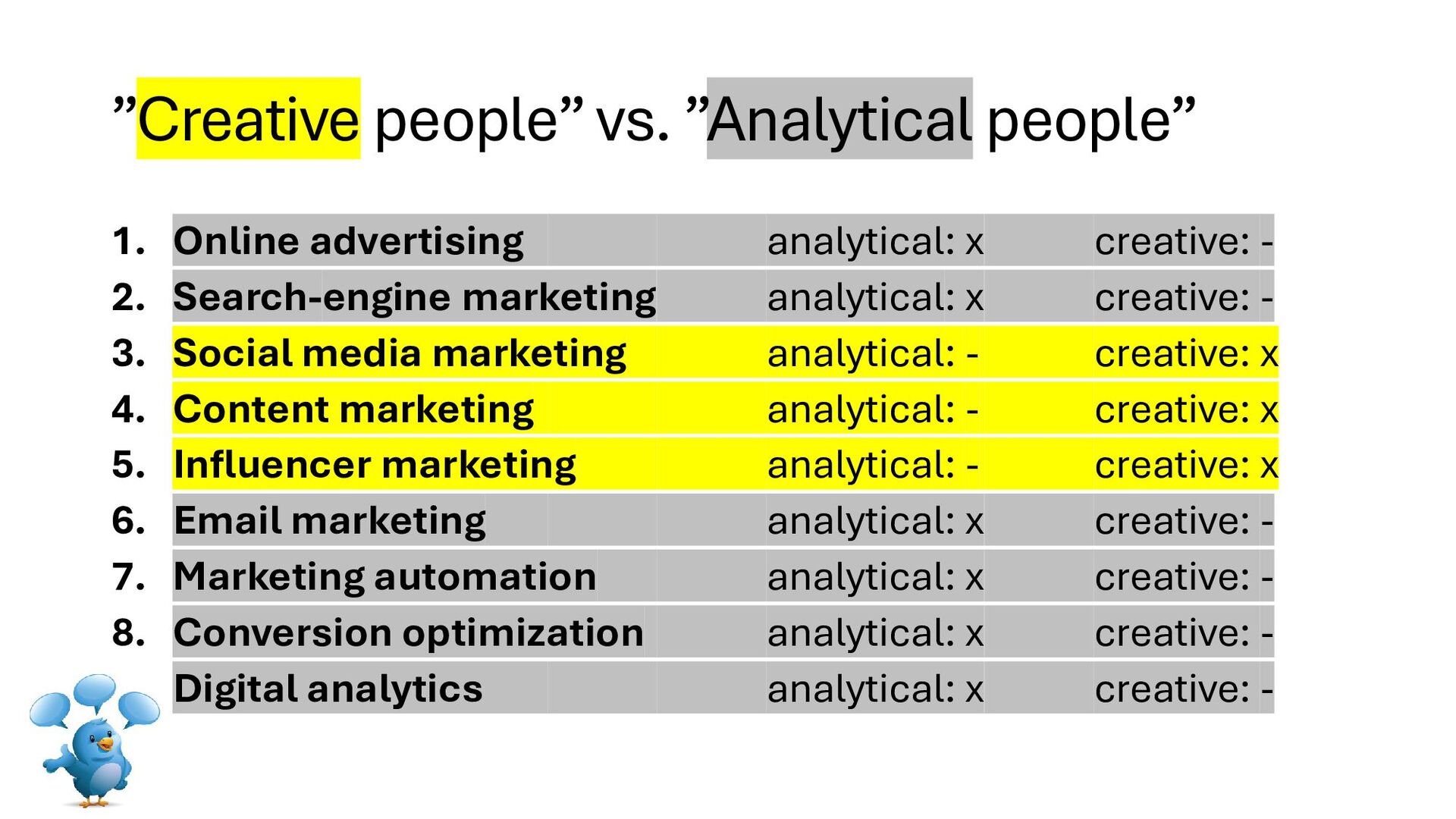
The Dual Nature of Marketing: Creativity Meets Analysis
Marketing is a field that inherently combines both creative and analytical elements. On one hand, it requires innovative thinking to develop compelling campaigns, design eye-catching visuals, and craft persuasive messages. On the other hand, it demands data-driven decision-making to measure performance, optimize strategies, and ensure a return on investment. The balance between these two aspects is what makes marketing both an art and a science.
- Creativity drives brand storytelling and emotional connections.
- Analytical skills are essential for interpreting data and refining strategies.
- Successful marketers blend both to achieve measurable results.
Why Creativity is Essential in Marketing
Creativity is the backbone of marketing because it allows brands to stand out in a crowded marketplace. It involves innovative ideas, unique messaging, and engaging visuals that capture the audience's attention. Without creativity, marketing campaigns risk becoming repetitive and ineffective.
- Unique campaigns differentiate brands from competitors.
- Emotional appeal helps build lasting connections with audiences.
- Creative problem-solving addresses challenges in unconventional ways.
The Role of Analytics in Marketing Success
Analytics provides the foundation for data-driven decisions in marketing. By analyzing metrics such as conversion rates, customer behavior, and campaign performance, marketers can identify what works and what doesn’t. This ensures that resources are allocated efficiently and strategies are continuously improved.
- Performance tracking helps measure the effectiveness of campaigns.
- Customer insights guide personalized marketing efforts.
- Analytics enables ROI optimization by focusing on high-impact activities.
How Creativity and Analytics Work Together
Creativity and analytics are not mutually exclusive; they complement each other. While creativity generates ideas, analytics validates their effectiveness. For example, a creative campaign concept can be tested and refined using data to ensure it resonates with the target audience.
- Creative ideas are tested through A/B testing and data analysis.
- Data insights inspire new creative directions.
- The synergy between the two leads to innovative and effective marketing strategies.
Examples of Creative and Analytical Marketing in Action
Many successful marketing campaigns showcase the perfect blend of creativity and analytics. For instance, Nike’s “Just Do It” campaign is a creative masterpiece, but its success was also driven by data-driven targeting and performance analysis. Similarly, Coca-Cola’s personalized bottle campaign combined creative design with customer data to create a highly engaging experience.
- Nike uses data to refine its creative messaging.
- Coca-Cola leverages analytics to personalize creative campaigns.
- These examples highlight the importance of balancing both elements.
What are 10 careers in marketing?
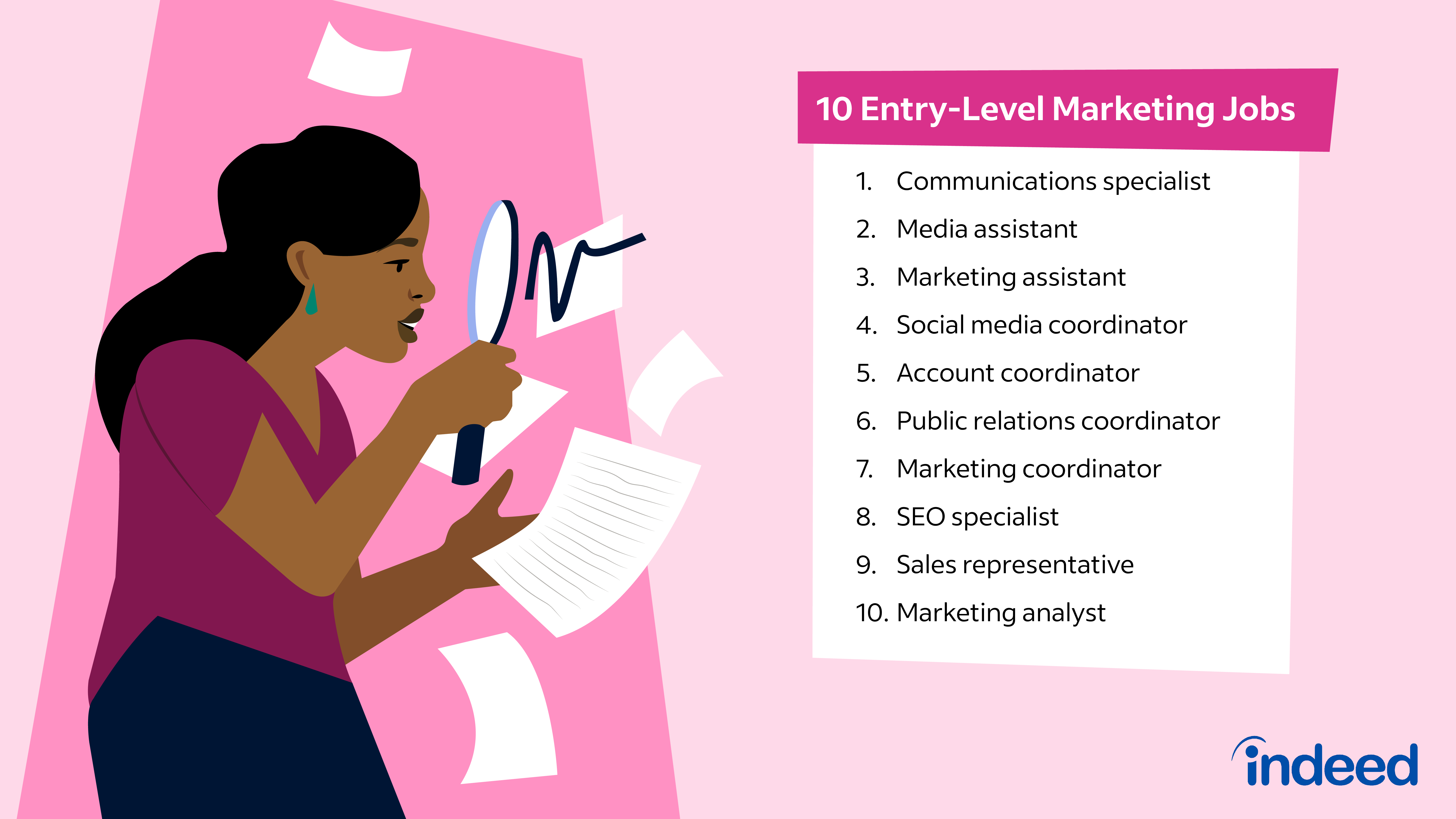
1. Digital Marketing Specialist
A Digital Marketing Specialist focuses on creating and managing online marketing campaigns. They use various digital channels to promote products or services, including social media, email, and search engines. Key responsibilities include:
- Developing and executing digital marketing strategies.
- Analyzing campaign performance using tools like Google Analytics.
- Optimizing SEO and SEM efforts to increase online visibility.
2. Content Marketing Manager
A Content Marketing Manager oversees the creation and distribution of content to attract and engage a target audience. They ensure that the content aligns with the brand's voice and goals. Key responsibilities include:
- Planning and managing content calendars.
- Collaborating with writers, designers, and other creatives.
- Measuring content performance and adjusting strategies accordingly.
A Social Media Manager is responsible for managing a brand's presence on social media platforms. They create and curate content, engage with followers, and analyze social media metrics. Key responsibilities include:
- Developing social media strategies to increase brand awareness.
- Creating and scheduling posts across multiple platforms.
- Monitoring and responding to customer feedback and inquiries.
4. Brand Manager
A Brand Manager is responsible for maintaining and enhancing a brand's image and reputation. They work to ensure that all marketing efforts align with the brand's identity. Key responsibilities include:
- Developing and implementing brand strategies.
- Conducting market research to understand consumer preferences.
- Collaborating with other departments to ensure brand consistency.
5. Market Research Analyst
A Market Research Analyst gathers and analyzes data to help companies understand market trends and consumer behavior. They provide insights that inform marketing strategies. Key responsibilities include:
- Designing and conducting market research studies.
- Analyzing data using statistical software.
- Preparing reports and presenting findings to stakeholders.
6. Public Relations Specialist
A Public Relations Specialist manages the public image of a company or brand. They work to build and maintain positive relationships with the media and the public. Key responsibilities include:
- Writing and distributing press releases.
- Organizing and managing media events.
- Responding to media inquiries and managing crisis communications.
7. Product Marketing Manager
A Product Marketing Manager focuses on promoting and selling a specific product or product line. They work closely with sales and product development teams. Key responsibilities include:
- Developing product positioning and messaging.
- Creating marketing materials such as brochures and sales sheets.
- Conducting competitive analysis to identify market opportunities.
8. Email Marketing Specialist
An Email Marketing Specialist designs and executes email campaigns to engage customers and drive sales. They focus on creating personalized and targeted email content. Key responsibilities include:
- Designing and coding email templates.
- Segmenting email lists for targeted campaigns.
- Analyzing email performance metrics and optimizing campaigns.
9. SEO Specialist
An SEO Specialist focuses on optimizing a website to rank higher in search engine results. They use various techniques to improve organic traffic. Key responsibilities include:
- Conducting keyword research and analysis.
- Optimizing website content and structure for search engines.
- Monitoring and reporting on SEO performance.
10. Advertising Manager
An Advertising Manager oversees the creation and execution of advertising campaigns. They work to ensure that ads reach the target audience effectively. Key responsibilities include:
- Planning and managing advertising budgets.
- Collaborating with creative teams to develop ad content.
- Analyzing the effectiveness of advertising campaigns and making adjustments as needed.
What is a creative job in marketing?

What is a Creative Job in Marketing?
A creative job in marketing involves roles that focus on generating innovative ideas, designing compelling content, and developing strategies to engage audiences. These positions require a blend of artistic talent, strategic thinking, and technical skills to create campaigns that resonate with target demographics. Examples include content creators, graphic designers, copywriters, and creative directors.
Roles and Responsibilities in Creative Marketing Jobs
Creative marketing professionals are responsible for a variety of tasks that drive brand awareness and customer engagement. Their duties often include:
- Conceptualizing campaigns: Developing unique ideas that align with brand goals.
- Designing visuals: Creating graphics, videos, and other multimedia content.
- Writing copy: Crafting persuasive and engaging text for advertisements, websites, and social media.
Skills Required for Creative Marketing Roles
To excel in creative marketing jobs, individuals need a combination of technical and soft skills. Key skills include:
- Creativity: The ability to think outside the box and generate innovative ideas.
- Technical proficiency: Mastery of tools like Adobe Creative Suite, Canva, or video editing software.
- Communication: Strong written and verbal skills to convey ideas effectively.
Industries That Hire Creative Marketing Professionals
Creative marketing professionals are in demand across various industries. Some of the top sectors include:
- Advertising agencies: Specializing in creating campaigns for multiple clients.
- E-commerce: Developing engaging content to drive online sales.
- Entertainment: Promoting movies, music, and events through creative strategies.
How to Start a Career in Creative Marketing
Building a career in creative marketing requires a combination of education, experience, and networking. Steps to get started include:
- Pursue relevant education: Degrees in marketing, communications, or design can be beneficial.
- Build a portfolio: Showcase your best work to demonstrate your skills.
- Network with professionals: Attend industry events and connect with experts in the field.
Is marketing a good job for creatives?

Why Marketing Appeals to Creative Individuals
Marketing is an excellent career choice for creative individuals because it allows them to express their ideas and innovate in various ways. Here are some reasons why:
- Diverse Opportunities: Marketing offers roles in content creation, graphic design, social media, and more, catering to different creative skills.
- Problem-Solving: Creativity is essential for developing unique solutions to marketing challenges.
- Storytelling: Marketers often craft compelling narratives to connect with audiences, which is a natural fit for creative minds.
How Marketing Enhances Creative Skills
Working in marketing can significantly enhance a creative person's abilities. Here’s how:
- Collaboration: Working with diverse teams helps refine ideas and fosters creativity.
- Feedback: Regular input from clients and colleagues helps improve creative output.
- Trend Awareness: Staying updated with industry trends keeps creativity fresh and relevant.
Challenges for Creatives in Marketing
While marketing is a great fit for creatives, it does come with challenges:
- Client Constraints: Creative ideas may sometimes clash with client expectations or budgets.
- Deadlines: Tight schedules can limit the time available for brainstorming and refining ideas.
- Data-Driven Decisions: Balancing creativity with analytics can be challenging for some.
Types of Creative Roles in Marketing
Marketing offers a variety of roles that cater to different creative talents:
- Content Creator: Writing blogs, scripts, and social media posts.
- Graphic Designer: Designing visuals for campaigns and branding.
- Video Producer: Creating engaging video content for ads and social media.
Skills Needed for Creative Marketing Success
To thrive in marketing as a creative, certain skills are essential:
- Adaptability: Being able to pivot ideas based on feedback or changing trends.
- Technical Proficiency: Familiarity with tools like Adobe Creative Suite or Canva.
- Communication: Clearly conveying ideas to teams and clients is crucial.
Frequently Asked Questions from Our Community
What are some marketing jobs that combine analytical and creative skills?
Several marketing roles require a blend of analytical and creative skills. For example, a Digital Marketing Manager must analyze campaign performance data while also crafting engaging content strategies. Similarly, a Content Strategist balances data-driven insights with creative storytelling to optimize content for target audiences. These roles demand both quantitative analysis and creative problem-solving to achieve marketing goals effectively.
How does a Data-Driven Creative Director balance analytics and creativity?
A Data-Driven Creative Director uses analytics to inform creative decisions, ensuring campaigns resonate with audiences while meeting business objectives. They analyze metrics like engagement rates, conversion data, and customer behavior to guide the creative process. At the same time, they oversee the development of visually appealing and emotionally compelling campaigns. This role requires a unique ability to merge data interpretation with artistic vision.
What role does a Marketing Analyst with creative responsibilities play?
A Marketing Analyst with creative responsibilities not only interprets data but also contributes to the development of marketing strategies. They might analyze customer trends and then collaborate with designers to create visuals that align with those insights. This role often involves creating data visualizations that are both informative and visually engaging, bridging the gap between numbers and narratives.
Can a Brand Manager be both analytical and creative?
Absolutely. A Brand Manager must analyze market trends, consumer behavior, and competitive landscapes to make informed decisions. At the same time, they oversee the creative direction of the brand, ensuring that messaging and visuals align with the brand’s identity and values. This dual focus requires a strong understanding of data analysis and the ability to think creatively to differentiate the brand in a crowded market.
Leave a Reply
Articles of interest